Physical Address
304 North Cardinal St.
Dorchester Center, MA 02124

Long-term intimacy rarely fades all at once. It softens, stretches, and quietly changes shape. Desire doesn’t disappear — it becomes quieter, more selective, sometimes harder to name. This is where pleasure tools for long-term intimacy play a different role than they do at the beginning. They are no longer about discovery alone, but about renewal, communication, and staying emotionally awake to each other.
In long-term relationships, pleasure tools for long-term intimacy are not a replacement for connection. They are invitations — to curiosity, to conversation, and to acknowledging that intimacy evolves just like people do.
At the start of a relationship, curiosity comes naturally. Every touch is new. Every reaction feels like information. Over time, routines form — not because something is wrong, but because familiarity is efficient.
The challenge is not boredom; it’s assumption. Assuming we already know what works. Assuming desire should appear spontaneously. Assuming intimacy should maintain the same shape forever.
This is where pleasure tools for long-term intimacy can gently interrupt routine — not by escalating intensity, but by reintroducing attentiveness.
In long-term partnerships, pleasure tools often serve as facilitators of emotional connection in intimacy rather than purely physical stimulation. They open conversations like:
These questions matter more than novelty.
Unlike early exploration, which may focus on individual discovery, long-term intimacy often benefits from shared pleasure exploration — moments where both partners are present, engaged, and curious together.
Choosing tools for long-term intimacy requires a different lens than beginner tools.
Look for tools that offer:
Long sessions or repeated use demand:
The best tools don’t feel performative. They feel optional, supportive, and pressure-free.
Below are pleasure tools for long-term intimacy selected for versatility, emotional comfort, and shared use, rather than shock value.
Category: Couples vibrator
Best for: Shared use and communication
Why it stands out:
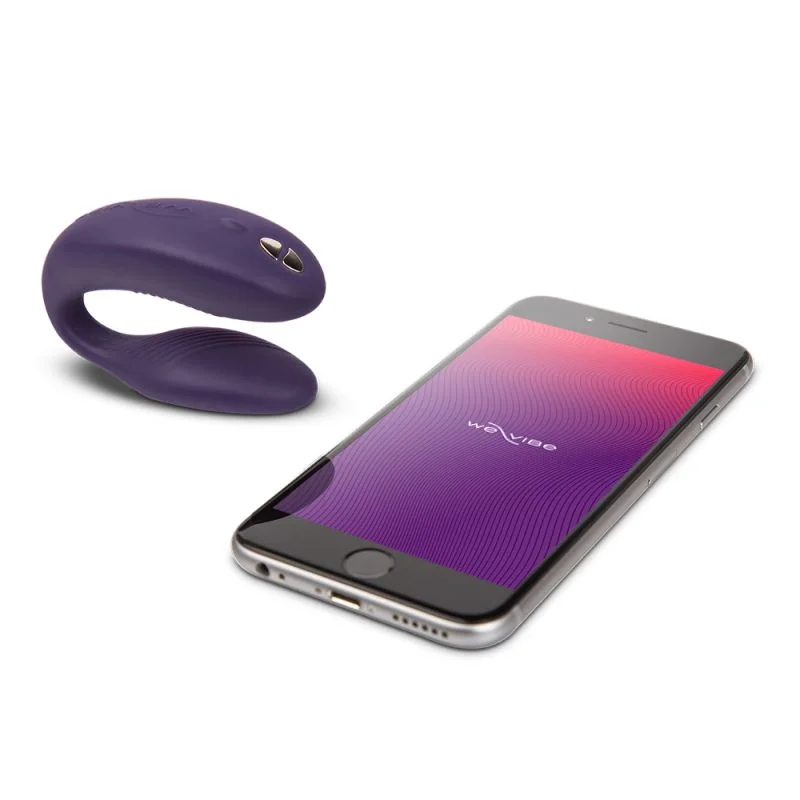
We-Vibe Sync was designed specifically for partnered intimacy. It doesn’t demand attention; it blends into the experience, encouraging communication rather than distraction.
Pros:
Cons:
Official Website:
https://www.we-vibe.com/sync
Category: Wearable external vibrator
Best for: Long-term partners seeking ease
Why it stands out:
Eva II is about reducing effort. It stays in place without holding, allowing partners to focus on each other rather than mechanics.
Pros:
Cons:
Official Website:
https://www.dameproducts.com/products/eva-ii
Category: External vibrator
Best for: Personal and partnered use
Why it stands out:
Lelo Lily 3 bridges solo familiarity and partnered intimacy. It’s discreet, powerful when needed, and elegant in design — ideal for long-term relationships where aesthetics and quality matter.
Pros:
Cons:
Official Website:
https://www.lelo.com/lily-3
Category: App-connected wearable
Best for: Couples open to playful experimentation
Why it stands out:
Esca 2 introduces a sense of play without pressure. Music responsiveness allows intimacy to follow rhythm rather than routine.
Pros:
Cons:
Official Website:
https://www.ohmibod.com
Category: Lubricant
Best for: Comfort and consistency
Why it stands out:
In long-term intimacy, comfort becomes more important over time. Uberlube’s silicone-based formula supports extended sessions without irritation.
Pros:
Cons:
Official Website:
https://uberlube.com
Pleasure tools often surface unspoken truths:
These moments aren’t problems to fix — they are information. Tools don’t solve intimacy challenges, but they create space to talk about them.
In this way, pleasure tools for long-term intimacy act less like objects and more like conversation starters.
Curiosity in long-term relationships can feel vulnerable. Trying something new risks rejection, misunderstanding, or discomfort. That’s normal.
The goal is not constant novelty, but sustained attentiveness.
Sometimes curiosity looks like:
Permission to change.
Permission to pause.
Permission to want something different.
Long-term intimacy doesn’t require reinvention — it requires presence. And the right tools simply support that presence without demanding performance.
At this stage, pleasure tools for long-term intimacy are no longer about learning what pleasure is — they are about remembering that curiosity still belongs in committed relationships.
They remind us that intimacy is not static, desire is not owed, and connection is something we choose, again and again.
Staying curious is not about adding more — it’s about paying attention.