Physical Address
304 North Cardinal St.
Dorchester Center, MA 02124

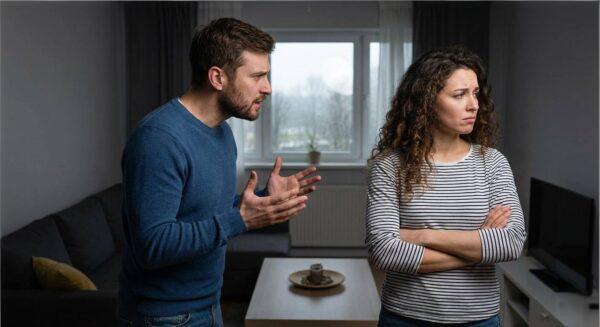
Every couple fights. It doesn’t matter how compatible, affectionate, or “meant to be” two people are—conflict is inevitable. What actually defines the future of a relationship isn’t whether conflict happens, but how to repair conflict in relationship when emotions cool and reality sets back in. Love isn’t destroyed by arguments; it’s often damaged by what comes after—the silence, the defensiveness, the unresolved hurt.
This article isn’t about avoiding conflict or becoming “better” at arguing. It’s about repair. About what happens after voices are raised, doors are closed, or messages go unanswered. Through real-life moments, imperfect attempts, and honest reflection, we’ll explore how couples can repair connection—or recognize when repair may no longer be possible.
Most people grow up believing that “good relationships” don’t involve much conflict. Movies show couples who disagree briefly and then reconcile with dramatic kisses. Social media presents polished versions of love—anniversaries, vacations, smiling faces.
Reality is messier.
Arguments usually arise not because partners are incompatible, but because:
A disagreement about dishes often isn’t about dishes. It’s about feeling unappreciated. A fight over texting back isn’t about the phone—it’s about feeling prioritized.
Conflict itself is not the danger. The danger lies in unrepaired conflict.
Many couples don’t “explode” and break up. Instead, they slowly drift apart.
Consider this small story:
Emma and Lucas rarely yelled. After arguments, they would simply go quiet. Emma thought space was healthy. Lucas assumed silence meant the issue was resolved. Neither realized that each unresolved argument stacked quietly between them—until one day, the distance felt permanent.
Unrepaired conflict often leads to:
When repair doesn’t happen, couples stop feeling safe bringing up issues. And when safety disappears, so does closeness.
One of the biggest mistakes couples make is trying to “fix” things too soon—or too late.
Right after a fight, emotions are usually still high. The nervous system is activated. Words spoken in this state often do more harm than good.
On the other hand, waiting too long allows stories to form:
“They don’t care.”
“They always do this.”
“I’m the only one trying.”
Healthy repair often happens after both people have regulated, but before resentment settles.
A simple but powerful repair opener can be:
Repair doesn’t require perfect wording. It requires willingness.
Many arguments fail to resolve because both partners are focused on being right.
But conflict resolution for couples works best when the goal shifts from winning the argument to understanding the impact.
Here’s a common pattern:
This loop continues endlessly.
A turning point happens when someone says:
“I know you didn’t mean to hurt me. But this is how it landed.”
Impact matters more than intent.
Repair happens when both partners can hold two truths at once:
Repair isn’t just about apologies. It’s about emotional transparency.
A real apology sounds like:
A defensive apology sounds like:
Defensive apologies often reopen wounds instead of closing them.
One couple I spoke to described a turning point in their relationship when they learned to name emotions instead of facts.
Instead of:
“You always shut down.”
They tried:
“When you went quiet, I felt abandoned and scared.”
That shift changed everything.
People often think repair requires grand conversations or dramatic confessions. In reality, most successful repair happens through small, consistent actions.
These can include:
Psychologists sometimes call these “repair bids”—small signals that say, “I still want us.”
Couples who respond positively to repair bids—even imperfect ones—tend to recover faster and feel safer long-term.

Not all repair attempts are met halfway.
Sometimes one partner tries repeatedly:
While the other avoids, minimizes, or shuts down.
This imbalance is emotionally exhausting.
Repair requires mutual participation. If one person consistently refuses to engage, it can signal deeper issues—fear, emotional unavailability, or lack of commitment.
In these cases, it’s important to ask:
Repair cannot be forced. It can only be invited.
Maya and Chris had been together for six years when their arguments became frequent and sharp. Small disagreements escalated quickly. Both felt unheard.
Instead of breaking up, they agreed to one rule: no conflict resolution during emotional spikes. They took breaks, wrote notes, and revisited issues calmly.
Over time, fights became less explosive—not because they stopped disagreeing, but because they learned to repair early.
Their relationship didn’t become perfect. But it became safer.
Not every relationship survives conflict—even with effort.
Daniel and Aaron loved each other deeply but fought about the same issues for years: communication, priorities, emotional presence. They tried therapy. They tried space. They tried forgiveness.
Eventually, Daniel admitted:
“We keep repairing the same wound, but it never heals.”
Ending the relationship wasn’t a failure. It was an acknowledgment that repair requires not just effort, but compatibility and mutual willingness.
Sometimes the most honest repair is letting go with respect.
When repair becomes a habit rather than a crisis response, something powerful happens.
Couples begin to:
Repair builds emotional intimacy more than constant harmony ever could.
Here are realistic, non-performative ways couples can improve repair:
Repair is a skill. And like all skills, it improves with practice.
Healthy relationships aren’t quiet because there’s nothing wrong. They’re stable because conflict doesn’t feel threatening.
Every couple fights. The difference isn’t compatibility—it’s repair.
When you learn how to repair conflict in relationship, arguments stop being threats and start becoming opportunities for deeper understanding. And when repair is mutual, consistent, and sincere, love doesn’t weaken—it matures.
In the end, lasting love isn’t built by avoiding conflict, but by returning to each other after it. Knowing how to repair conflict in relationship is not just a relationship skill—it’s an act of choosing connection, again and again, even when it’s hard.