Physical Address
304 North Cardinal St.
Dorchester Center, MA 02124

For many people, the idea of exploring intimacy with tools doesn’t begin with excitement — it begins with hesitation. The first time we search, scroll, or stand in front of a shelf, we’re not thinking about performance or intensity. We’re thinking about comfort, trust, and whether we’re “doing this right.” That’s why beginner pleasure tools matter so much. They set the tone for how we experience pleasure, communication, and safety from the very beginning.
What often gets overlooked is that beginner pleasure tools are not about “starting small” because someone is inexperienced or timid. They are about choosing tools that respect boundaries, reduce pressure, and allow curiosity to unfold naturally. This article is written for anyone who wants intimacy to feel safe, mutual, and grounded — whether you’re exploring solo or together.
It started quietly. A shared laptop on the couch, a glass of wine, and a question that lingered longer than expected:
“Do you think we should… look?”
No one rushed to click anything. There was no rush to buy. What followed was conversation — about comfort levels, about fears of awkwardness, about not wanting things to feel mechanical or overwhelming. That moment matters, because it reveals the real role of beginner pleasure tools: not to replace connection, but to support it.
One of the biggest misconceptions around pleasure tools is that stronger, louder, or more complex is better. For beginners, the opposite is often true. Body-safe pleasure tools designed for beginners prioritize:
This allows users to focus on sensation rather than performance.
Confidence doesn’t come from pushing limits too fast. It comes from knowing your body — and your partner — are respected. This is where body-safe pleasure tools play a critical role. Medical-grade silicone, non-porous materials, and clear manufacturing standards aren’t “nice extras”; they are essential.
Before we dive into specific reviews, here are the most important criteria to keep in mind:
Look for:
Avoid mystery plastics or products without material transparency.
Beginners benefit from:
Smaller doesn’t mean less effective. For beginners, ergonomic designs feel intuitive and less overwhelming.
Below are carefully selected beginner pleasure tools known for safety, comfort, and reliability. These are not about novelty — they’re about trust.
Category: External stimulation
Best for: First-time users seeking subtle sensations
Why it stands out:
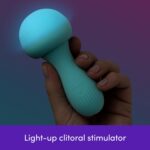
Dame Fin was designed by sexual health professionals with beginner comfort in mind. Its soft edges and palm-sized design make it unintimidating, while its low-frequency vibrations provide warmth rather than sharp intensity.
Pros:
Cons:
Official Website:
https://www.dameproducts.com/products/fin
Category: External vibrator
Best for: Beginners who want adjustable sensations
Why it stands out:
The Touch X offers precise vibration control without overwhelming complexity. It’s often recommended as a first tool because it allows gradual exploration without pressure.
Pros:
Cons:
Official Website:
https://www.we-vibe.com/touch-x
Category: Contactless stimulation
Best for: Beginners curious but cautious
Why it stands out:
Unlike traditional vibration, this uses air pulse technology, which some beginners find less invasive and more surprising in a positive way.
Pros:
Cons:
Official Website:
https://www.satisfyer.com/de/satisfyer-pro-2-generation-3-connect-app
Category: External vibrator
Best for: Those who value aesthetics and simplicity
Why it stands out:
Maude focuses on removing stigma. This tool looks more like a wellness object than a sex toy, which can be comforting for beginners.
Pros:
Cons:
Official Website:
https://getmaude.com/products/vibe
Category: Essential companion product
Best for: Comfort, safety, and reducing friction
Why it stands out:
No beginner pleasure tools list is complete without lubricant. This aloe-based formula is pH-balanced and free from irritating additives.
Pros:
Cons:
Official Website:
https://goodcleanlove.com/products/almost-naked%C2%AE-organic-personal-lubricant-4-oz
Tools don’t exist in isolation. They enter conversations, relationships, and personal boundaries. For many, the most important part isn’t how a tool feels — it’s how it changes communication.
Using shared intimacy tools can:
But it also requires patience. Some tools will sit unused for weeks. Some attempts may feel awkward. That’s not failure — that’s learning.
It’s important to say this clearly:
Not every tool will work for every person or relationship.
Sometimes:
Beginner pleasure tools are not promises. They are options. And choosing not to use one is just as valid as choosing to explore.
Pleasure is not a destination. It’s a process. Beginner pleasure tools simply help make that process safer, slower, and more compassionate.
They remind us that:
At their best, beginner pleasure tools aren’t about sensation alone — they’re about permission. Permission to go slowly. Permission to change your mind. Permission to explore intimacy without fear or pressure.
Whether used solo or together, the right tools don’t demand anything from you. They simply wait, quietly, until you’re ready.
And that, perhaps, is the safest beginning of all.