Physical Address
304 North Cardinal St.
Dorchester Center, MA 02124

For many gay men, bottoming can be an affirming and pleasurable part of intimacy—but what happens after sex matters just as much as the act itself. Anal aftercare is a critical yet often overlooked aspect of gay sexual health, especially because the anus is not anatomically designed for penetration. Friction, pressure, and muscle tension can leave the area sensitive, irritated, or vulnerable to micro-injuries.
This article is not about fear or restriction. It is about care, recovery, and respect for the body. By reviewing five widely trusted anal aftercare products, we’ll explore how bottoms can recover comfortably, reduce risk, and maintain long-term sexual health—without shame, judgment, or unrealistic expectations.
Unlike vaginal tissue, the rectum does not self-lubricate and has thinner lining. Even when sex is consensual, well-lubricated, and enjoyable, the body still needs recovery time.
Common post-sex sensations include:
These are not signs of failure—they are signals. Proper anal aftercare supports healing, prevents infection, and allows future pleasure to remain safe and sustainable.
Ignoring aftercare, on the other hand, can lead to:
Healthy sex includes healthy recovery.
Before discussing products, it’s important to understand the goals of anal aftercare:
The following Top 5 products were selected because they align with these goals and are commonly used within gay sexual health routines.
Category: Post-sex calming gel
Best for: Mild soreness, sensitivity, first-time bottoms
Why it stands out:
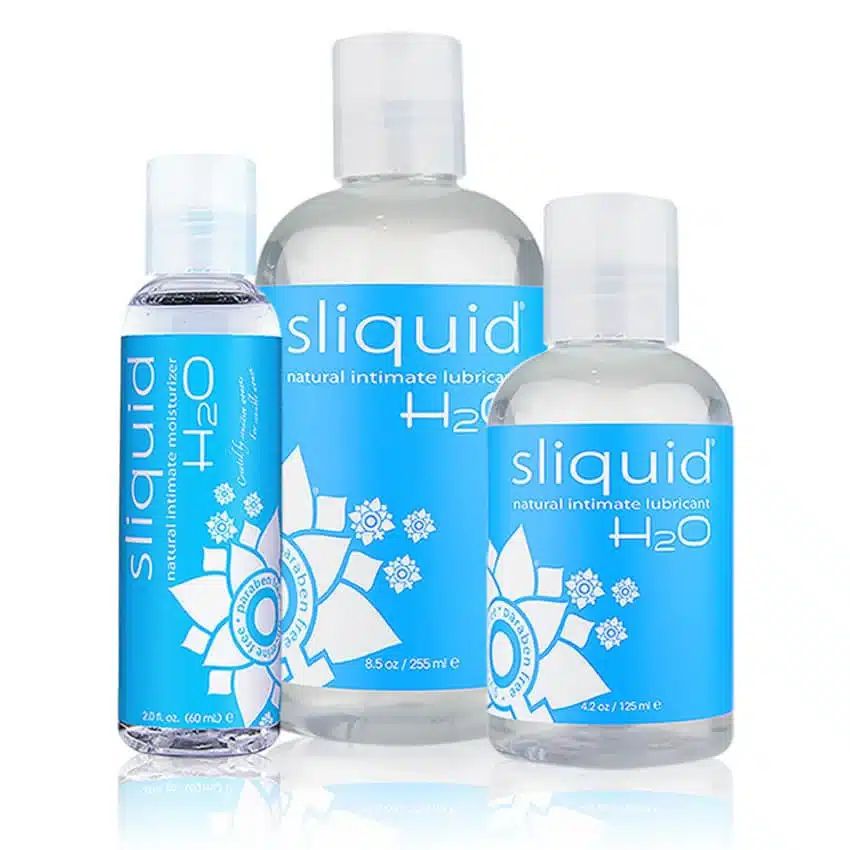
Sliquid Soothe is often recommended because it avoids numbing agents while still providing noticeable relief. Instead of masking pain, it works with natural botanical ingredients like aloe vera to calm irritation without overstimulation.
Pros:
Cons:
Who should use it:
If you experience post-sex tenderness or sensitivity but no visible injury, this is an ideal first-line anal aftercare product.
Category: Barrier and healing ointment
Best for: Dryness, micro-tears, friction damage
Why it stands out:
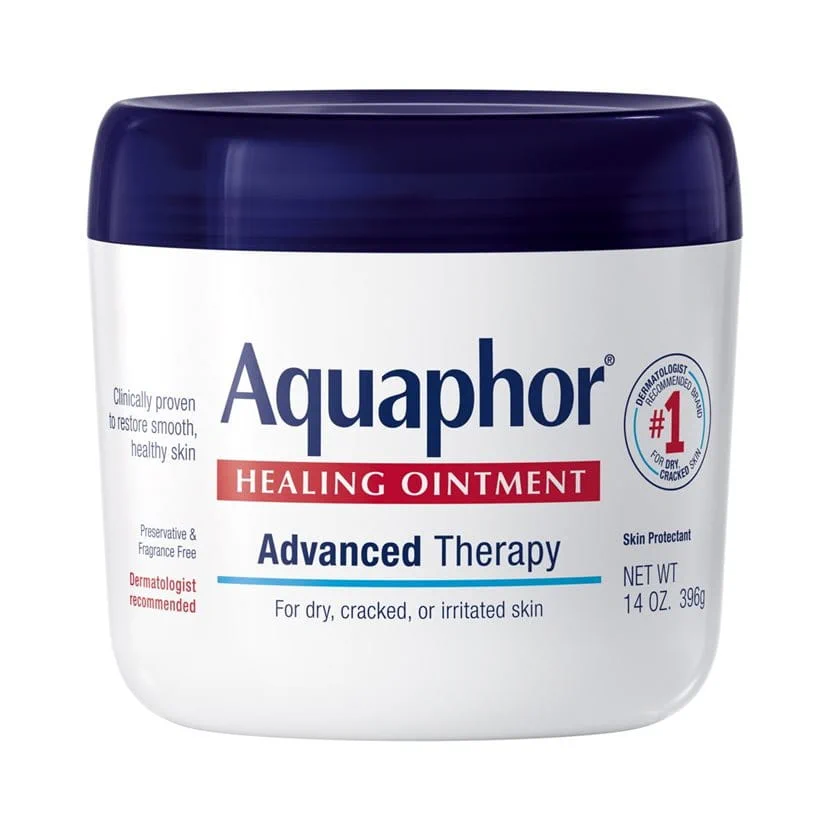
Aquaphor is widely used in medical and dermatological settings. It creates a protective barrier that allows damaged skin to heal while preventing further irritation.
Pros:
Cons:
Who should use it:
Bottoms who feel dryness, burning, or minor abrasions after sex will benefit most. Apply a thin layer externally after cleaning.
Category: Post-sex hygiene
Best for: Daily aftercare without irritation
Why it stands out:
Over-cleaning is one of the most common mistakes in anal aftercare. Puriya’s formula is designed specifically for perianal skin, avoiding harsh surfactants that can worsen sensitivity.
Pros:
Cons:
Who should use it:
If you feel uncomfortable using regular body wash post-sex, this cleanser offers peace of mind without damage.
Category: Recovery soak
Best for: Tightness, pressure, lingering soreness
Why it stands out:
Anal sex affects muscles, not just skin. A warm sitz bath with Epsom salt increases blood flow, relaxes muscles, and eases discomfort naturally.
Pros:
Cons:
Who should use it:
If soreness feels internal or muscular rather than surface-level, this method is extremely effective.
Category: Moisture support
Best for: Dryness or friction during healing
Why it stands out:
Some bottoms experience dryness the day after sex. Using a light, aloe-based lubricant externally can reduce friction during daily movement and bowel activity.
Pros:
Cons:
Who should use it:
Those who feel “raw” the next day but don’t need medical treatment.
Daniel, 31:
“I used to think soreness meant I did something wrong. Once I started using a proper anal aftercare routine, I realized discomfort was optional—not inevitable.”
Marcus, 44:
“Aftercare became more important as I got older. Aquaphor and sitz baths saved my sex life.”
Leo, 25:
“I was embarrassed to ask about aftercare. Learning this stuff made me feel empowered, not ashamed.”
These stories reflect a common truth: information improves pleasure.
Physical care is only part of recovery. After sex—especially intense or emotionally vulnerable encounters—many people benefit from:
Aftercare is not weakness. It is self-awareness.
Anal aftercare is supportive—not a substitute for medical care. Seek help if you experience:
Doctors trained in sexual health approach these issues clinically and without judgment.
Breaking these myths improves community-wide gay sexual health.
You don’t need all five products every time. Most people rotate based on how their body feels.
A minimal routine might include:
Listen to your body. It will tell you what it needs.
At its core, anal aftercare is an act of respect—for your body, your pleasure, and your future intimacy. Within the broader conversation of gay sexual health, it represents maturity, responsibility, and confidence. Pleasure does not end when sex does. Recovery is not an afterthought—it is part of the experience.
When you care for yourself after sex, you are not being cautious. You are being kind. And kindness, especially toward your own body, is what allows pleasure to remain joyful, safe, and sustainable over time.