Physical Address
304 North Cardinal St.
Dorchester Center, MA 02124

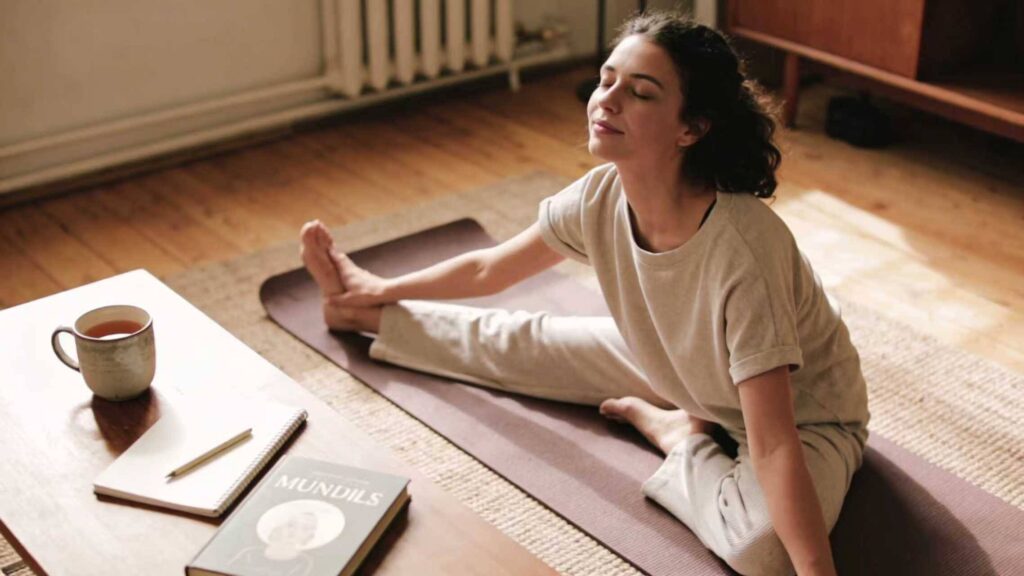
Living a single life does not mean living without physical needs. Desire, touch, release, and bodily connection are not privileges reserved for people in relationships—they are part of being human. Yet for many adults, especially those navigating single life for extended periods, conversations around physical intimacy often come wrapped in unnecessary shame or silence.
We are encouraged to talk openly about mental health, exercise, nutrition, and self-care, but when it comes to sexual health—particularly self-directed intimacy—the tone often changes. For single people, this silence can create confusion: Is it okay to meet my own needs? Should I feel embarrassed for wanting intimacy without a partner?
The answer is simple, though rarely stated clearly: sexual health is health, and caring for your physical needs during single life is neither a failure nor a substitute for love. It is an act of self-respect. What truly matters is how those needs are met—safely, consciously, and with care for both body and mind.
Despite progress in conversations about wellness, pleasure—especially solo pleasure—remains one of the last social taboos. For people living a single life, this stigma can feel even heavier. Popular culture often frames partnered sex as “normal” and self-pleasure as something secretive, temporary, or even sad.
Single adults may face subtle judgments:
These assumptions ignore reality. Many people choose single life intentionally. Others find themselves single due to timing, personal growth, or circumstance. In all cases, physical needs do not disappear simply because a relationship does not exist.
The shame around pleasure is not rooted in science or health—it is cultural. Historically, sexuality has been regulated through morality, gender norms, and control, particularly around bodies that do not fit traditional expectations. Recognizing this helps us separate inherited discomfort from actual well-being.
A healthy approach to sexual wellness is closely tied to mental and emotional health. Research in psychology and physiology consistently shows that safe sexual release can help:
For people navigating single life, self-directed intimacy can be a form of self-regulation, not indulgence. It allows individuals to understand their bodies, manage stress naturally, and maintain a sense of connection to themselves.
Importantly, this is not about constant stimulation or dependency. Like exercise or meditation, moderation and intention matter. When approached with awareness, physical self-care supports balance rather than avoidance.
One of the most common misconceptions is that using sexual wellness tools means giving up on intimacy with others. In reality, tools are not replacements for relationships—they serve entirely different purposes.
Just as cooking at home does not mean rejecting restaurants, or journaling does not replace therapy, tools support the body without replacing emotional connection. They offer autonomy, not isolation.
For many people in single life, tools provide:
Healthy intimacy is not defined by the presence of another person—it is defined by consent, care, and respect, even when that care is self-directed.
When it comes to sexual wellness tools, health should always be the first consideration, especially for beginners. The market is crowded, and not all products are created with safety in mind.
Always prioritize:
Avoid products with unclear material descriptions or extremely low prices that compromise quality.
Hygiene is essential for sexual health.
For beginners, less is more.
Avoid tools marketed as “extreme” or “maximum stimulation” when starting out.
A healthy tool should make you feel relaxed, not pressured.
For those exploring tools during single life, the following brands are widely regarded as safe, beginner-friendly, and wellness-oriented:
Known for ergonomic design and body-safe materials. Focuses on comfort and education rather than performance pressure.
Premium, minimalist products with medical-grade silicone and precise controls. Ideal for those prioritizing quality and discretion.
Excellent for beginners seeking intuitive design and gentle learning curves. Strong focus on research and safety.
A neutral, design-forward brand especially popular for those who want discreet, non-stigmatizing products.
These brands emphasize sexual wellness, not shock value, making them suitable entry points for mindful exploration.
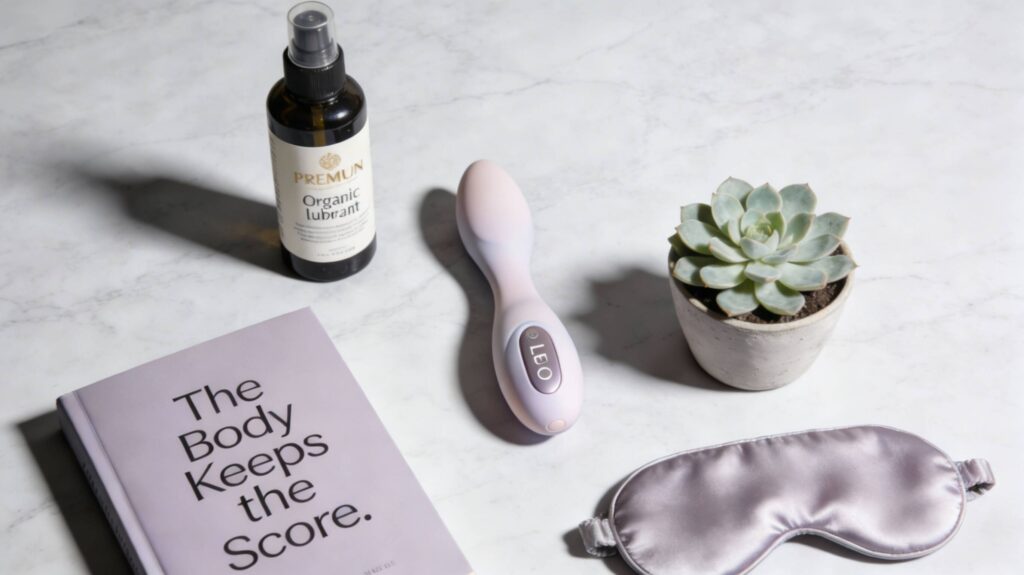
A healthy relationship with pleasure begins with listening. Bodies communicate constantly—through tension, relaxation, fatigue, or comfort. Respecting these signals is essential.
Healthy self-intimacy means:
Single life offers a unique opportunity to develop this awareness without external pressure. Learning your own boundaries builds confidence—not just sexually, but emotionally.
Choosing to care for your sexual health while living a single life is not something that requires justification. When approached with intention, safety, and respect, physical self-care becomes part of overall wellness—not a secret, not a substitute, and not a source of shame.
Pleasure without shame is not about excess or escape. It is about understanding your body, honoring your needs, and making informed choices. Whether single temporarily or by choice, your health—physical and emotional—deserves attention, dignity, and care.
Living a single life does not imply absence. It often means autonomy, choice, and self-knowledge. Managing physical needs independently can be a sign of emotional maturity, not inadequacy.
Many people discover that understanding their own bodies leads to:
Pleasure becomes something chosen, not chased. Needs are acknowledged, not suppressed. This autonomy is a foundation, not a detour.