Physical Address
304 North Cardinal St.
Dorchester Center, MA 02124

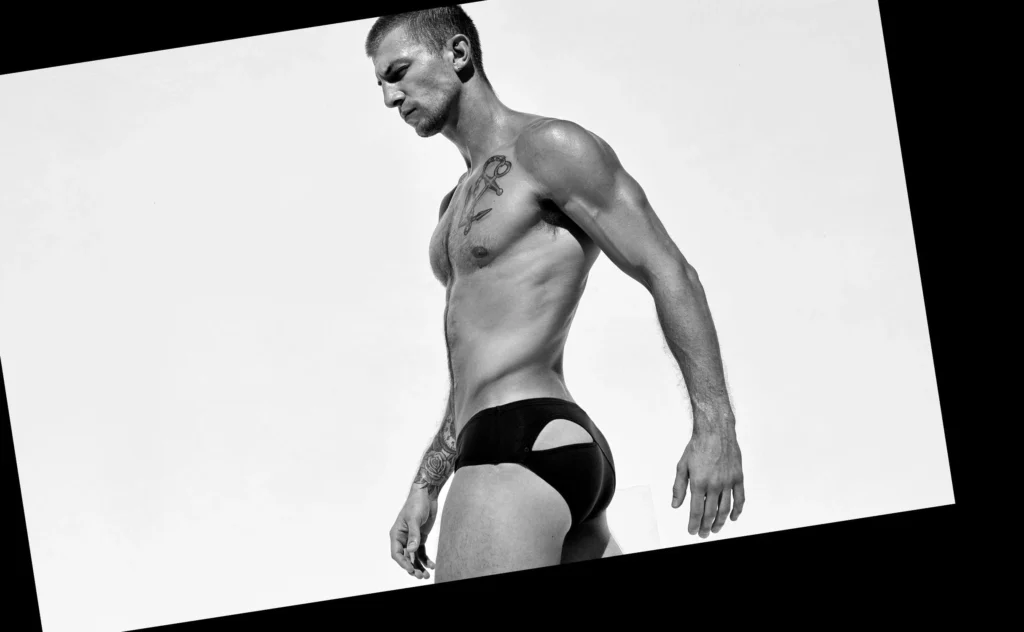
For many LGBTQ+ people, clothing has never been just clothing. It has been armor, expression, rebellion, desire, and sometimes fear—stitched into fabric. What we wear can signal safety or danger, belonging or isolation, pride or protection. In that context, Rufskin is not simply a men’s fashion brand—it becomes part of a larger conversation about body confidence men carry with them every day, especially in queer spaces where being seen can feel both empowering and risky.
Rufskin has long occupied a distinct place in men’s fashion, especially within queer communities. It is bold. It is body-forward. It does not whisper. Some celebrate it. Some critique it. Many are curious about it but unsure whether it is “for them.”
This review is not about trends or hype alone. It is about what Rufskin represents emotionally—and how it intersects with LGBTQ+ identity, body confidence, and the complicated act of being seen.
Founded in California, Rufskin emerged from a cultural space shaped by queer visibility, creative freedom, and resistance to conformity. From the beginning, the brand positioned itself far from mainstream men’s fashion. Where many labels leaned toward neutrality, Rufskin leaned into form, sexuality, and presence.
Its designs are unmistakable:
For many LGBTQ+ wearers—particularly gay men—this aesthetic resonates deeply. Rufskin does not ask permission to exist. It assumes that visibility is not something to earn.
But visibility, as queer people know well, is never simple.
The LGBTQ+ relationship with the body is layered and deeply personal. For some, the body is reclaimed after years of shame or invisibility. For others, it becomes a site of pressure—expected to be toned, lean, muscular, desirable. For many, it is both at once.
Queer culture has historically celebrated the male body in ways mainstream culture avoided, but that celebration sometimes hardens into idealization. Rufskin exists right inside this tension.
For some wearers, Rufskin feels empowering:
For others, it feels confronting:
Both responses are valid. Body confidence is not a fixed state; it is fluid, contextual, and shaped by lived experience. Rufskin does not resolve that complexity—it reveals it.
Let’s be clear: Rufskin is not an inclusive-sizing brand.
Most pieces are cut for slim to athletic builds. The fit is tight by design. The sizing often runs small. This is not accidental; it is foundational to the brand’s aesthetic.
This reality invites an important question—one that often sparks debate within LGBTQ+ spaces:
Is empowerment about including every body, or about allowing some bodies to be celebrated without apology?
There is no universal answer. What Rufskin offers is honesty. It does not market itself as body-neutral or universally accommodating. It tells you exactly what it is doing.
For wearers whose bodies align with that vision, the experience can be transformative. Many describe standing differently when wearing Rufskin—shoulders back, posture stronger, presence heightened. The clothing does not simply sit on the body; it asks the body to arrive fully.
For others, the experience can be uncomfortable or even painful. Trying on clothing that leaves little room to hide can magnify insecurities rather than dissolve them.
Both experiences deserve space. Neither defines the worth of the wearer.
One of Rufskin’s strongest qualities lies in its fabric choices. Across collections, the materials tend to be:
The sensory experience matters. For many LGBTQ+ people, reconnecting with the body—feeling comfortable in one’s own skin—can be a slow and uneven process. Clothing that heightens physical awareness can feel intimate, even vulnerable.
Rufskin garments often blur the boundary between clothing and skin. Some feel almost like a second layer rather than an outer shell. This closeness can feel exhilarating, grounding, or emotionally exposing, depending on where someone is in their relationship with their body.
Rufskin is not designed for invisibility. It is designed for presence.
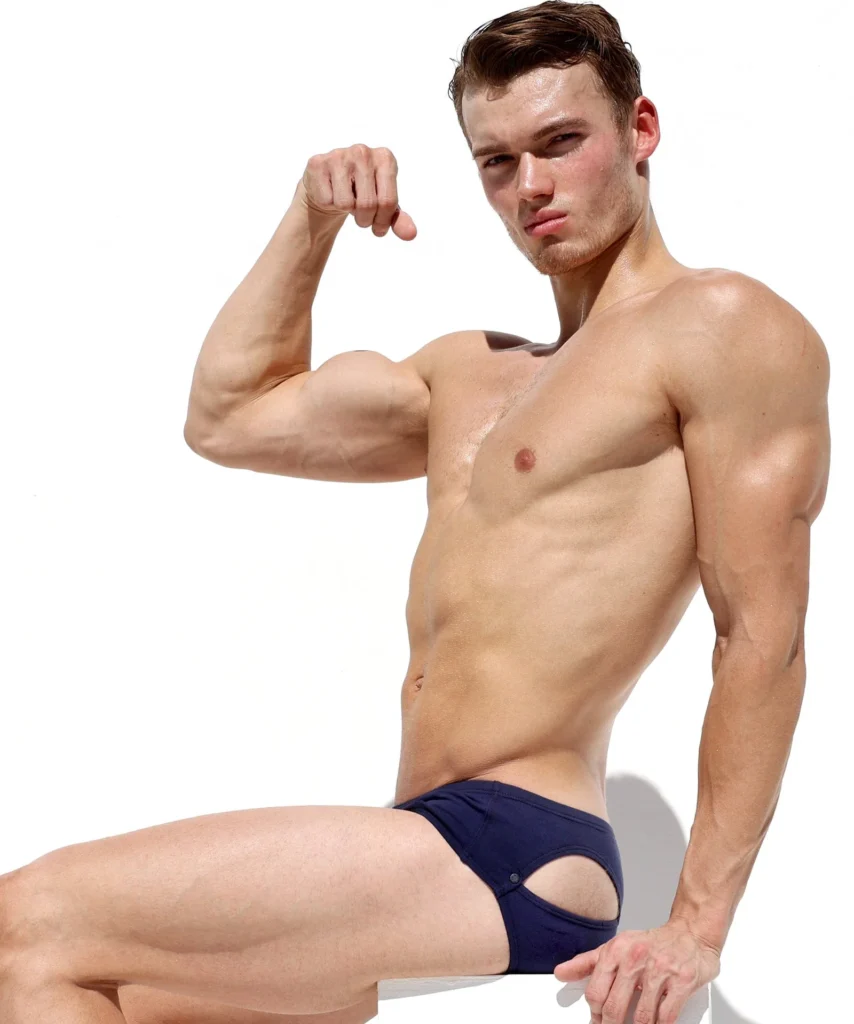
Rufskin aligns naturally with environments that welcome expression:
In these contexts, Rufskin feels at home. It mirrors the energy of celebration, sexuality, and self-display.
In more conservative or unsafe environments—workplaces, family gatherings, unfamiliar public spaces—the same clothing can feel risky. This is not a flaw of the brand but a reflection of the world we move through.
Queer visibility is never neutral. What feels liberating in one space may feel unsafe in another.
A common critique of bold fashion brands is that they “sell confidence.” To some extent, that is true—clothing can offer a temporary sense of boldness. But many Rufskin wearers describe something subtler.
Rufskin does not manufacture confidence. It reveals it.
If you feel powerful in Rufskin, it is often because a part of you already wanted to be seen. The clothing removes a layer of hesitation. And if you feel uncomfortable, it does not mean you lack confidence—it may mean you are still negotiating how visible you want to be, and when.
Confidence is not a destination; it is a conversation—one that changes with time, context, and self-understanding.
There is something quietly radical about a brand that centers the male body without shame—especially in a culture that still polices queer expression. Rufskin campaigns often portray men who appear comfortable being looked at, not as objects, but as agents.
That sense of agency matters. It shifts the narrative from “being seen for validation” to “existing without apology.”
At the same time, Rufskin represents a specific slice of queer experience—youthful, fit, conventionally attractive. This does not invalidate the brand, but it does limit its scope.
Rufskin tells one story of queer confidence—not all of them. And acknowledging that limitation is part of engaging with it honestly.
Rufskin is not inexpensive. Whether it feels “worth it” depends largely on what the wearer values.
If you are seeking versatility or daily practicality, Rufskin may feel overpriced. Some pieces are not built for longevity or repeated casual wear.
But if you are investing in emotional experience—how clothing makes you feel in your body—the value calculation shifts.
For some, Rufskin becomes:
In those moments, the emotional return can outweigh the financial cost.
Rufskin may resonate with you if:
Rufskin may not be for you if:
Neither choice reflects your worth, your queerness, or your confidence. Expression is personal. No brand defines identity.
Rufskin does not reassure. It reflects.
It asks:
How do you feel about your body today?
How comfortable are you being seen right now?
Who are you dressing for—yourself, or the world around you?
For LGBTQ+ people, these questions are never abstract. They are shaped by memory, safety, desire, and self-acceptance.
Rufskin is not trying to be everything to everyone. It stands firmly in its identity and invites you to decide how close you want to stand with it.
In a world that often tells queer people to tone it down, Rufskin does the opposite.
And whether that feels empowering or confronting depends less on the clothing—and more on where you are in your relationship with yourself.
No brand defines queerness. No garment completes confidence.
But sometimes, clothing can help you stop hiding—and that, on its own, can be meaningful.
Body confidence men experience is not linear, fixed, or owned by any brand—it evolves through lived moments, self-acceptance, and choice.