Physical Address
304 North Cardinal St.
Dorchester Center, MA 02124

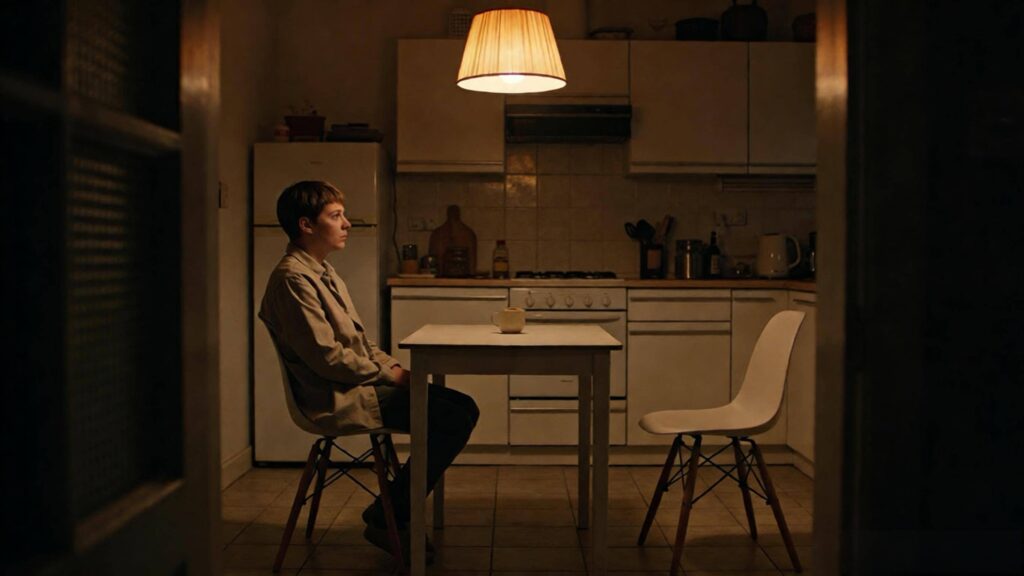
Being single after 30 in America isn’t unusual — but that doesn’t always make it easy. Maybe you’re 32, 35, or 40. Maybe your friends got married in their 20s, started families, and now your social feed is full of anniversaries and baby photos. Or maybe you’ve always prioritized growth, independence, or self-discovery over rushing into a relationship.
Still, that inner question lingers: “Should I settle now because time is passing?”
This article asks: is it better to settle under dating pressure, or hold out for something real and meaningful? Because being single after 30 doesn’t equal failure — and settling for less often means sacrificing long-term happiness.
You’re not alone. According to the latest data from the U.S. Census Bureau, in 2025 fewer than half (47%) of U.S. households are married-couple households — a stark shift from decades past.
Also notable: roughly 29% of households are single-person households.
Meanwhile, the typical age for first marriage has climbed. In 2025, median first-marriage age is around 30.8 for men and 28.4 for women.
And for many, marriage isn’t happening at all: as of 2021, 25% of 40-year-olds had never been married — a record high.
In short: living single into your 30s and 40s is now a mainstream reality, not an exception.
Several factors contribute to this shift:
For many, being single after 30 isn’t an accident — it’s a choice.
Still, despite social shifts, dating pressure remains real. It comes subtly — family dinners, uncles asking “When are you settling down?”, social media couple-goals bombarding your feed — and sometimes painfully loud: “You’re still single?”, “It’s not getting any younger.”
That pressure can push people toward quick relationships, even when they don’t feel right. Loneliness, fear of judgement, and a creeping sense of missing out (FOMO) make settling seem like the safest bet.
But rushed decisions made under pressure — especially in matters of the heart — often lead to regret.
When people talk about “settling,” they usually mean accepting a partner — not because of deep connection or shared values — but because:
Often, they ignore important red flags: emotional mismatch, differing life goals, lack of respect, or incompatible values.
Such relationships may provide temporary comfort — but long-term, many people report:
In other words: you may get a partner — but not a loving, fulfilling relationship.
Of course, relationships require compromise. Nobody is perfect, and every partnership involves some give and take. The key is distinguishing healthy compromise from settling.
Healthy compromise means accepting that your partner isn’t flawless — but knowing your core values and respect remain intact. Good relationships involve patience, empathy, shared vision, and mutual growth — not sacrifice of self-worth.
Many couples who find love later in life testify that their connection is stronger: they know themselves better, know what they want, and refuse to accept less than respect, kindness, and shared values.
Holding out and living independently isn’t “waiting” — it’s living fully. Here are some powerful single life benefits often overlooked:
When you know your worth, waiting isn’t deprivation — it’s empowerment.
Take Sarah, 34, living in Minneapolis. After a painful breakup in her late 20s, she refocused on her career and personal growth. At 32 she started dating again — but only accepted honesty and respect. At 33 she met David, a coworker who valued her drive, kindness, and independence. They married at 35. She reflects: “If I had rushed, maybe I’d still be healing.”
Or Marcus, 38, living in Los Angeles. After years of casual dating and disappointment, he paused — opted for therapy, self-reflection, rediscovered hobbies. Two years later, a friend introduced him to Elena at a book club. Their bond formed slowly — shared values, deep conversation, laughter, patience. Today they tour together, pursue passions, and talk about building a family… but only when it feels right, not because it’s expected.
These stories aren’t rare edge cases. They show that delaying love isn’t a sign of “bad luck” — it’s a path to greater clarity, healthier relationships, and deeper fulfillment.
If you find yourself asking whether to settle or hold out, here are some guiding thoughts:
If your answers lean toward caution, clarity, self-respect — waiting might be your best decision.
If you’re being single after 30, know this: you are not late. You are not incomplete. You are simply living on your own timeline — with purpose, dignity, and intention.
You don’t need to settle because time passes. You don’t need to rush because others expect it. You deserve love that respects you, values you, and grows with you.
So pause. Breathe. Look inside.
When the right person comes — someone who sees you, values you, and embraces your fullness — you’ll know.
Because being single after 30 isn’t about waiting.
It’s about preparing.
Preparing for a love that’s real.
We’re not settling. We’re choosing.
Now tell me — what does being single after 30 mean to you? 👇